
A new hire's first quarter is ending, and the manager has a calendar reminder, a half-finished evaluation form, and several unresolved questions. The employee is wondering whether “meeting expectations” means staying in the role, while the manager is trying to distinguish a real performance concern from unclear priorities, missing training, or a process that hasn't worked.
A well-designed 90 day review template turns that uncertain conversation into a structured checkpoint. It records evidence, invites the employee's perspective, identifies support needs, and converts the discussion into practical goals. The guide below shows how to build the document, run the meeting, tailor fields by role, and follow through without reducing the review to a probationary verdict.
Rethinking the First Quarter Check-In
The 90-day point is commonly used as a formal first-quarter checkpoint in performance management. At roughly 13 weeks, a new employee has had enough time to move beyond initial onboarding, apply knowledge in the role, and reveal where expectations or resources remain unclear. HR guidance still frames the review as a written record covering employee details, the review period, manager assessment, feedback, training, goal alignment, and signatures, as described in this performance review template guidance.
That record matters, but the meeting shouldn't feel like a verdict handed down from the manager. Treat it as a two-way onboarding diagnostic. Ask what the employee can now do independently, where work gets stuck, which expectations remain ambiguous, and what support would change the outcome. A system blocker, such as slow approvals or incomplete access, shouldn't be recorded as a skill deficiency.
Practical rule: Diagnose the working environment before labeling the person.
Use the guide in this order:
- Build the right template: Define the fields and use a 30-60-90 structure that captures learning, contribution, delivery, and future planning.
- Run the conversation well: Schedule early, share questions, create space for employee input, and document the outcome.
- Customize the evidence: Match objective measures and behavioral observations to the employee's role.
- Turn feedback into action: Connect agreed steps to goals, training, ownership, and the next review cycle.
- Avoid predictable errors: Replace delayed feedback, one-way criticism, and punitive language with regular, balanced follow-up.
For a broader onboarding perspective, HR teams can also review this guide to onboard a new employee. The review works best when it confirms a process that has been active throughout the quarter, rather than introducing feedback for the first time at the end.
Core Components of a 90 Day Review Template
A useful form starts with the employee and role, not with a rating. Include the employee's name, position, manager, review period, start date, and the purpose of the checkpoint. Then add sections for accomplishments, evidence, challenges, feedback, training or resources, goal alignment, employee comments, next actions, and signatures.
The central structure should follow the 30-60-90 framework. The first 30 days assess role learning and culture fit. The next 30 days assess applied contribution and expectation clarity. The final 30 days assess independent delivery and forward planning, as outlined in this 90-day performance review framework.
Separate the cause from the symptom
Give managers distinct fields for skill gaps, role-fit questions, and system or process blockers. If a sales employee hasn't used the CRM correctly, ask whether the issue is knowledge, unclear workflow, insufficient practice, or a tool configuration problem. If a developer misses delivery expectations, record the relevant work sample and dependency, rather than a broad statement about attitude.
The form should also preserve a fair written record. HR guidance treats the 90-day review as documentation that can become part of the employee's permanent employment file, so vague conclusions create avoidable risk. Specific examples make the review more useful to the employee, the manager, and anyone who later needs to understand the decision.
Connect the review to future planning
The final section should ask what happens next. Record the agreed development activity, the owner, the expected outcome, and the next target. For teams that use quarterly objectives, OKR templates for quarter planning can help translate review findings into clear priorities rather than leaving them as general aspirations.
A practical assessment form should answer four questions:
- What has the employee learned?
- What contribution has the employee demonstrated?
- What is preventing stronger performance?
- What will the employee and manager do next?
For a related approach to structured evaluation records, see this employee assessment form resource.
How to Run an Effective 90 Day Check-In
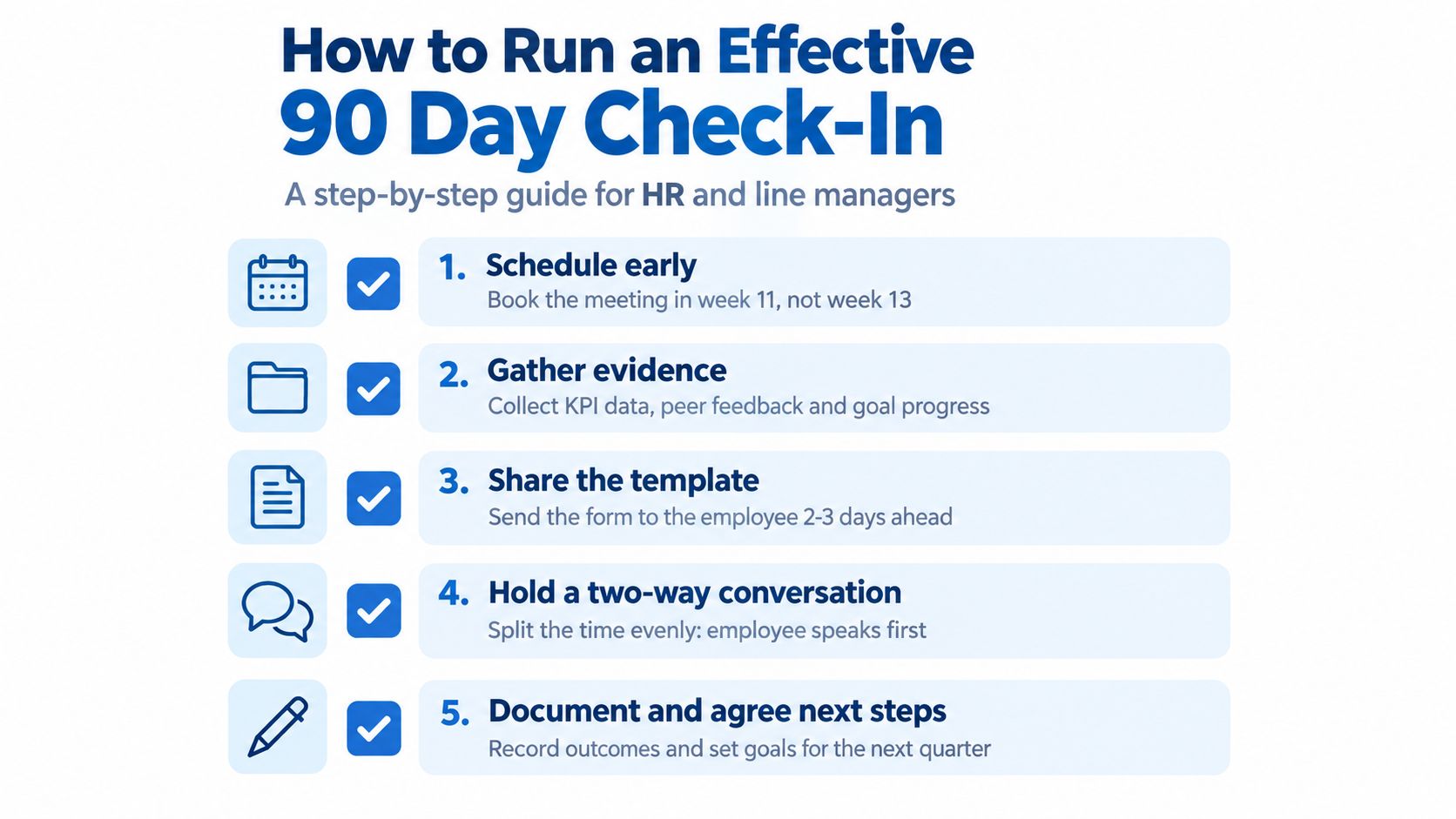
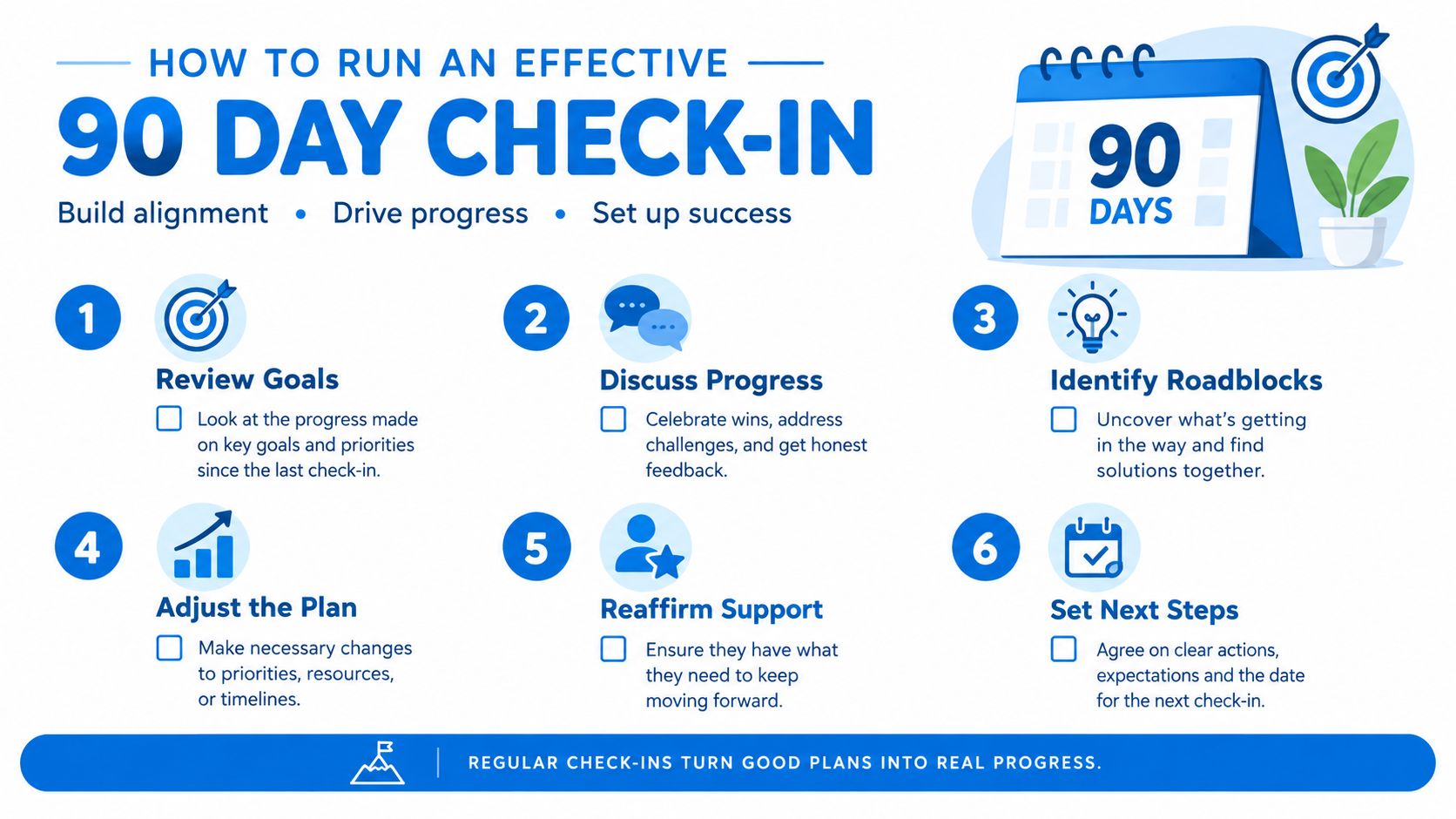
The meeting succeeds or fails before anyone enters the room. Put the review on the calendar in advance, ideally with at least one week's notice, and send the questions ahead of time. Advance visibility reduces uncertainty and gives the employee a chance to prepare examples, concerns, and requests for support. A practical process also sends a written summary within 48 hours after the meeting, documenting the discussion, agreements, and next goals, according to this 90-day review question and process guide.
Reserve 45 to 60 minutes. A shorter meeting often forces the manager to choose between performance evidence and development needs, even though both belong in the same conversation.
Prepare evidence, not impressions
Before the meeting, review the role expectations, onboarding notes, goals, work samples, training completion, and relevant feedback. Don't build the assessment from the last difficult interaction. A balanced record should include successful work, incomplete work, observable behavior, and the context surrounding each example.
Send a short agenda with questions such as:
- Which parts of the role feel clear now?
- Which responsibilities still require support?
- What work are you most confident handling independently?
- What has slowed your progress?
- Which goal should receive priority next?
- What can the manager or team change to help?
The employee should speak first for part of the meeting. That order often reveals blockers the manager wouldn't see from output alone.
Use a deliberate conversation sequence
Start by confirming the purpose: this is a review of progress and a plan for continued contribution. Discuss achievements before gaps, then examine each gap with evidence and context. Ask the employee to respond before deciding what action is appropriate.
Avoid labels such as “not a fit” unless the evidence clearly supports that conclusion and the organization has followed its fair process. Growth-oriented language is more precise: “The handoff documentation is incomplete, so the next step is guided practice and a clear quality standard.” That phrasing still sets accountability, but it doesn't confuse a correctable issue with a permanent judgment.
Teams can use these performance review best practices to strengthen preparation, feedback quality, and documentation. For managers developing a broader recurring conversation habit, this resource on conducting effective one-to-one meetings offers a complementary structure.
Close by reading back the agreed actions. Confirm who owns each item, what evidence will show progress, and when the next conversation will happen. Then send the written summary within the agreed timeframe and invite the employee to flag inaccuracies.
Customizing Fields for Goals and Competencies
A generic form becomes useful only when its fields reflect the work. The right balance combines objective criteria, which describe observable completion or progress, with manager-observed behavior, which captures collaboration, communication, judgment, and adjustment to the team.
Objective measures are easier to compare, but they can be misleading when the employee depends on other teams or is still waiting for access and training. Behavioral observations add context, but they become unfair when managers write impressions without examples. Use both, and require evidence for each conclusion. HR guidance recommends separating task completion, communication responsiveness, training completion, and manager-observed behavior, then converting the findings into measurable next-step targets while balancing strengths and gaps to avoid demotivation, as explained in this onboarding and retention guidance.
| Role Type | Objective Metrics | Subjective Observations |
|---|---|---|
| Technical or engineering | Assigned work completed, testing or documentation completed, training milestones | Problem framing, code or work quality, collaboration during reviews, response to feedback |
| Client-facing | Follow-up completion, meeting preparation, CRM updates, agreed deliverables | Listening, expectation setting, tone, judgment when handling client concerns |
| Operations or administration | Process steps completed, records maintained, training completed, response times | Reliability, prioritization, attention to detail, coordination across teams |
| People manager | One-to-one cadence, team objectives documented, hiring or onboarding tasks completed | Coaching quality, delegation, clarity, inclusion, handling of difficult conversations |
Make metrics fit the employee's reality
A technical role may need work samples and documentation quality, while a client-facing role may need evidence from communication and follow-through. Neither should inherit a metric only because it appears in another department's form.
The template should also distinguish competencies from outcomes. An employee can deliver an acceptable early result while still needing support in planning or stakeholder communication. Conversely, someone may show strong judgment and teamwork while a blocked workflow limits visible output. Recording both dimensions prevents a single measure from dominating the review.
Use rating scales only when the organization has defined what each level means. Otherwise, replace a vague score with a short evidence statement, the current status, and a next-step target. That approach produces a document managers can act on instead of a number they can't explain.
Turning Feedback into Follow-Up Actions
The review becomes valuable after the form is signed. Every important observation should lead to a decision, an owner, and a way to check progress. “Improve communication” isn't an action. “Use the agreed project update format and review the next two updates with the manager” is specific enough to guide behavior.
Separate follow-up into three categories:
- Performance delivery: The work the employee must complete, improve, or demonstrate.
- Development support: Training, coaching, shadowing, documentation, or practice assigned to close a skill gap.
- Manager or system action: Access, prioritization, process clarification, staffing, or decision-making support that the organization must provide.
This separation keeps accountability mutual. It also prevents managers from assigning a development plan to an employee when the underlying issue is missing information or an inefficient process.
Write the next-quarter plan
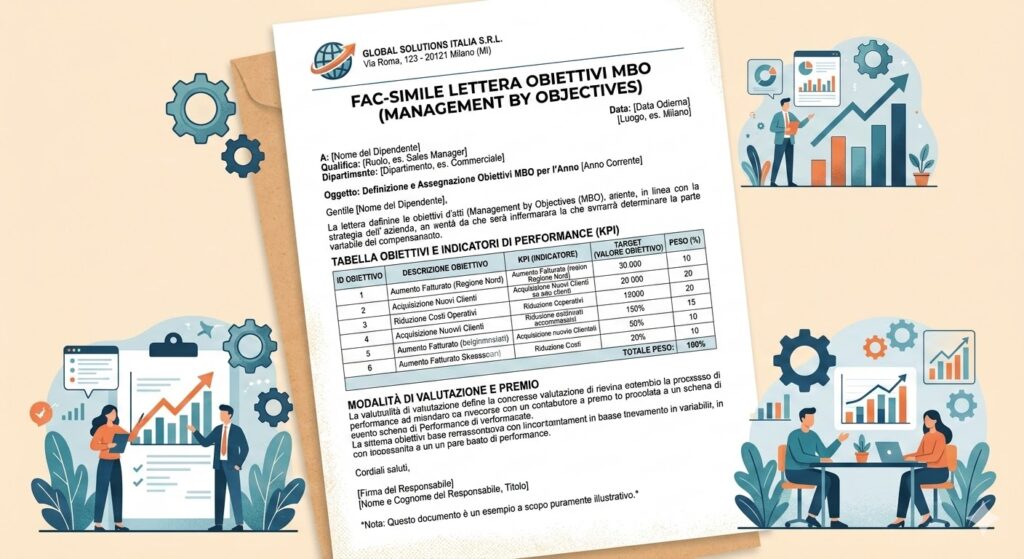
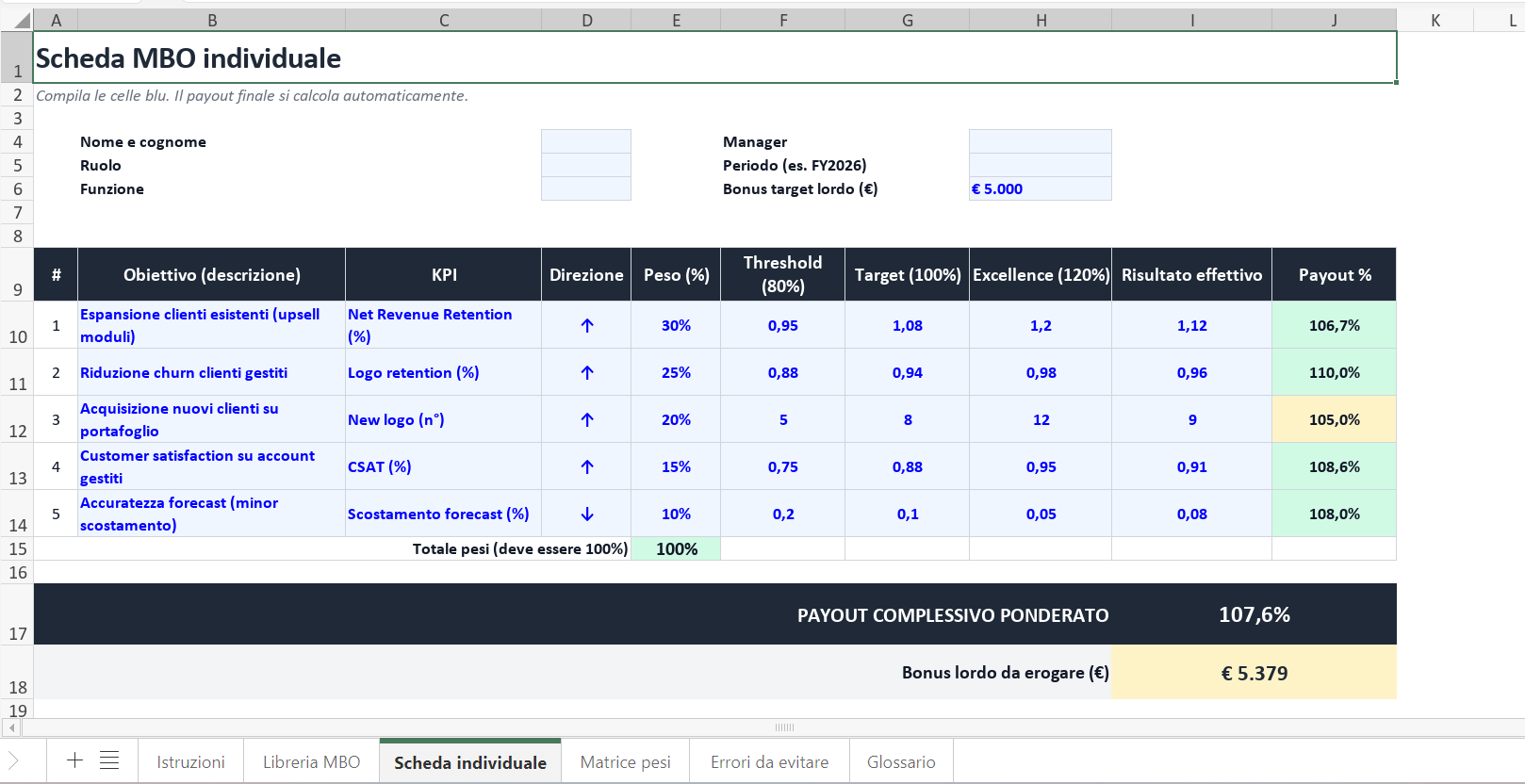
Translate the review into a small set of forward-looking goals. Each goal should identify the expected result, the evidence that will demonstrate it, the support available, and the point at which progress will be discussed. Connect those goals to the team's existing OKRs or MBOs so the employee's priorities aren't isolated from operational planning.
The next conversation should also include a review of what changed. If the employee completed the assigned training but the performance issue remains, the manager has better evidence for the next decision. If the issue disappears after access or role clarity improves, the review has correctly identified an onboarding problem rather than misclassifying it as poor capability.
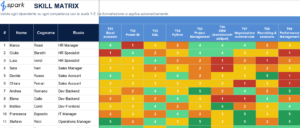
A performance management platform can make this handoff more consistent. Spark provides workflows for goals, check-ins, reviews, appraisals, competencies, training assignments, KPI tracking, and incentives, so a 90-day outcome can remain connected to later performance activity rather than sitting in a separate document. Teams should still define sound criteria first. Software can enforce ownership and visibility, but it can't replace managerial judgment.
Keep the record usable
Write the summary in plain language. Include the employee's perspective, the evidence discussed, the agreed status, open questions, and action owners. Give the employee a chance to comment, and store the final record according to the organization's HR policy.
The strongest follow-up creates a feedback loop. The manager observes progress, the employee receives timely coaching, and both can adjust the plan when circumstances change. That is how a first-quarter review becomes part of continuous performance management instead of a one-time administrative event.
Common Mistakes to Avoid During the Review
The most damaging mistake is waiting until the 90-day meeting to give meaningful feedback. Structured onboarding guidance recommends milestone reviews at Day 7, 30, 60, and 90, because early turnover risk is concentrated heavily in the first 45 days, as described in this onboarding and retention resource. The correction is simple: use brief earlier check-ins to surface confusion while the manager can still change the onboarding experience.
Other failures are less visible but just as costly:
- Skipping evidence: Replace general impressions with work examples, observable behavior, and relevant context.
- Making it one-way: Ask the employee about barriers and support needs before presenting conclusions.
- Using punitive language: Frame the conversation around progress, expectations, and next actions rather than treating “probation” as the only lens.
- Ignoring strengths: Record what the employee is already doing well, then connect those strengths to future contribution.
- Leaving no written record: Summarize decisions, owners, support, and next goals while the conversation is still fresh.
Onboarding failure can be mistaken for underperformance. The average new-hire turnover rate is about 16% in the first six months, according to Indeed's 90-day review guidance. That figure reinforces the need to examine role clarity, training, expectations, and process blockers before making a final judgment.
A fair review doesn't avoid difficult feedback. It makes difficult feedback specific, balanced, and actionable, then gives the employee a clear route to improve.
Spark helps HR and managers connect a structured 90-day review to goals, check-ins, competency development, KPI tracking, and follow-up workflows. Visit Spark to see how you can replace disconnected review files with a more consistent performance management process.